Unpacking How Alternative Transaction Tools Connect to Community-Led Support Networks in App-Based Wagering Circles
Riley Simon · Aug 23, 2026
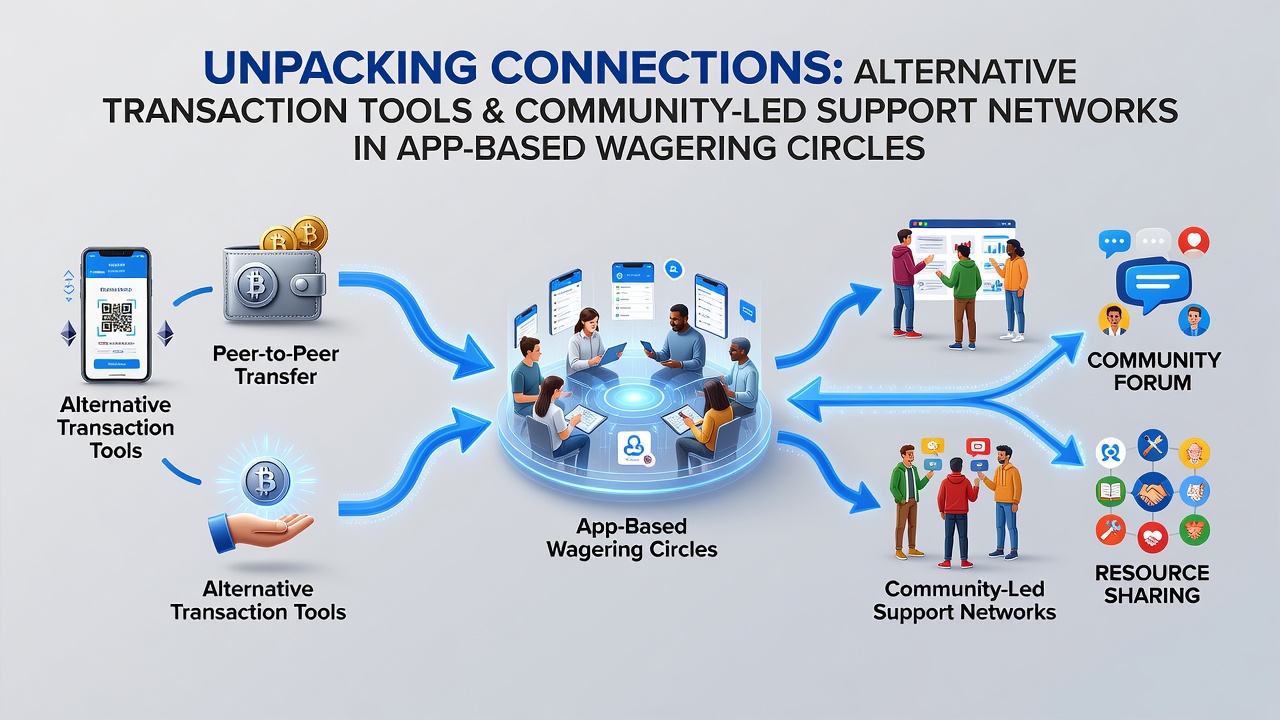
Unpacking How Alternative Transaction Tools Connect to Community-Led Support Networks in App-Based Wagering Circles
App-based wagering platforms have expanded rapidly since the mid-2020s, and observers note that alternative transaction tools now play a measurable role in how participants exchange funds outside conventional banking rails. Cryptocurrency transfers, peer-to-peer digital wallets, and stablecoin settlements appear in user reports from multiple jurisdictions, while community-led support networks have grown alongside them in forums, messaging groups, and dedicated mobile applications.
Alternative Transaction Tools in Current Use
Data from regulatory filings and platform disclosures show that users in several regions adopted non-bank payment methods at increasing rates between 2024 and 2026. In Australia, figures released by the Australian Communications and Media Authority indicate that a rising share of online wagering deposits moved through digital asset services rather than credit cards or bank transfers. Similar patterns appear in Canadian provincial reports, where operators recorded higher volumes of e-wallet and cryptocurrency activity after 2025 rule changes that eased restrictions on certain virtual currency processors.
These tools typically allow near-instant settlement, reduced transaction fees compared with card networks, and varying degrees of pseudonymity. Users often cite these features when describing why they shift activity away from traditional payment rails. At the same time, platform operators have integrated API connections that let bettors fund accounts directly from external crypto exchanges or mobile wallet applications without leaving the wagering interface.
Community-Led Support Networks and Their Structure
Parallel to these payment shifts, groups organized by participants themselves have formed around shared experiences with app-based wagering. These networks operate on Discord servers, Reddit communities, Telegram channels, and stand-alone mobile applications that emphasize peer accountability rather than professional counseling. Participants exchange strategies for setting deposit limits, tracking session times, and identifying early signs of financial strain.
Research published by the Canadian Centre on Substance Use and Addiction documents how such networks frequently incorporate discussion threads focused on transaction methods. Members share step-by-step guides for moving funds through privacy-oriented wallets or for converting winnings back to local currency while minimizing intermediary fees. Moderators in several large groups maintain pinned resources that list verified wallet addresses or escrow services used within the community for mutual support transfers.
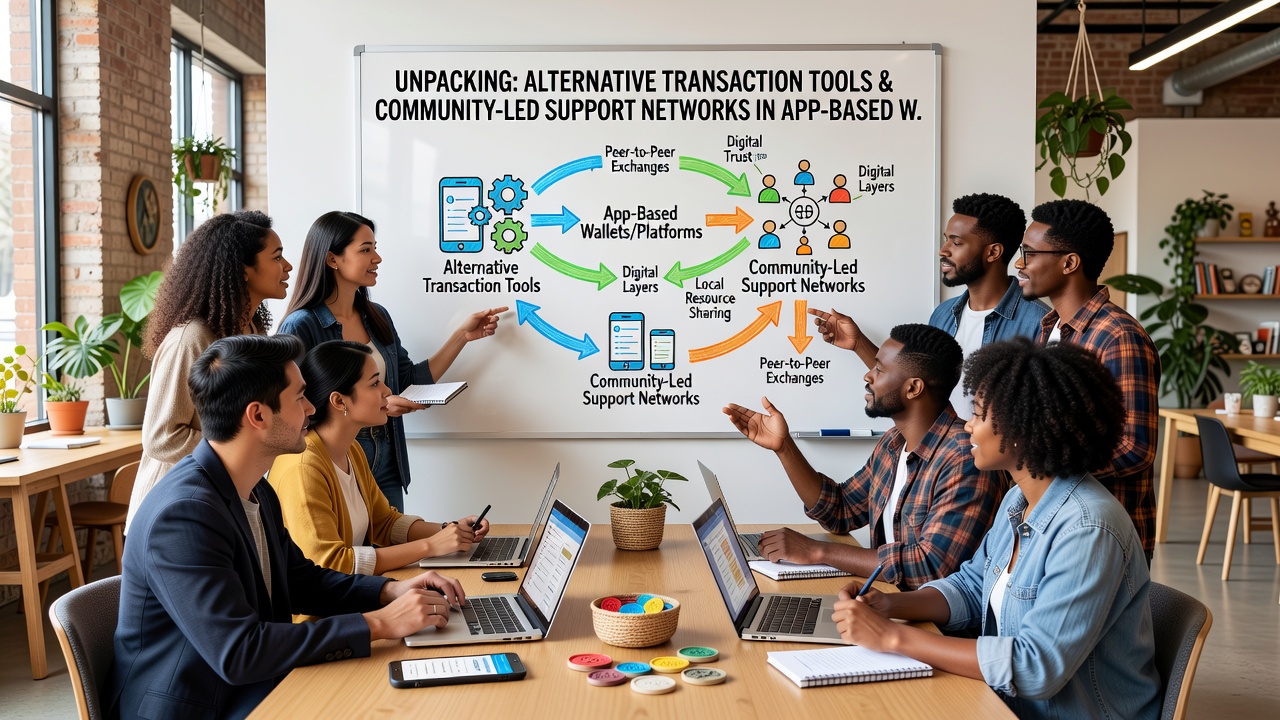
Linkages Between Transaction Methods and Peer Support
Connections emerge when community members use alternative tools to facilitate collective practices. One documented pattern involves group-maintained wallets that collect small contributions from participants who have reached self-imposed win or loss targets; these pooled funds then support members facing temporary shortfalls or fund shared educational resources. Observers at the University of Sydney’s Gambling Research Unit recorded similar arrangements in Australian Telegram groups during 2025 and early 2026, noting that stablecoin transactions reduced the friction of collecting and redistributing small amounts across borders.
Another linkage appears in real-time transaction monitoring shared within closed channels. Participants post anonymized screenshots of wallet activity to demonstrate adherence to personal limits, and peers respond with feedback or encouragement. Because many alternative tools record immutable ledger entries, members can verify claims without relying on statements from regulated operators. This verification layer strengthens trust inside the network while remaining independent of official gambling oversight bodies.
As of August 2026, several European national regulators outside the United Kingdom reported increased inquiries from operators seeking guidance on how to handle user requests that originate from community-coordinated wallet addresses. Industry associations such as the European Gaming and Betting Association have begun publishing technical briefs that outline common integration points between wagering APIs and non-custodial payment solutions.
Geographic Variations and Data Trends
Patterns differ across regions. In parts of the United States, state-level gaming commissions have required operators to flag accounts that receive repeated transfers from known privacy-focused wallets, yet community groups in those same states continue to discuss workarounds that stay within legal boundaries. Australian data released in mid-2026 showed that groups using stablecoin-based support pools reported lower average session durations than comparable groups relying solely on bank transfers, though researchers caution that causation remains unproven.
Academic papers examining ledger data from public blockchains have identified clusters of addresses that repeatedly interact with wagering platforms and also appear in on-chain messages associated with support communities. These clusters tend to exhibit higher transaction frequency but smaller individual amounts, consistent with the micro-contribution model described in peer-network documentation.
Conclusion
Alternative transaction tools and community-led support networks in app-based wagering circles intersect through shared practices around fund movement, limit verification, and collective resource allocation. Available data from Australian, Canadian, and European sources indicate that these intersections have become more visible by August 2026, even as regulatory approaches continue to evolve. Further examination of ledger patterns and group activity logs will likely clarify the scale and durability of these connections in coming reporting periods.