Regional E-Wallet Preferences Prompting Adjustments to Safety Protocols in Mobile Prediction Applications
Rafael Brooks · Nov 7, 2026
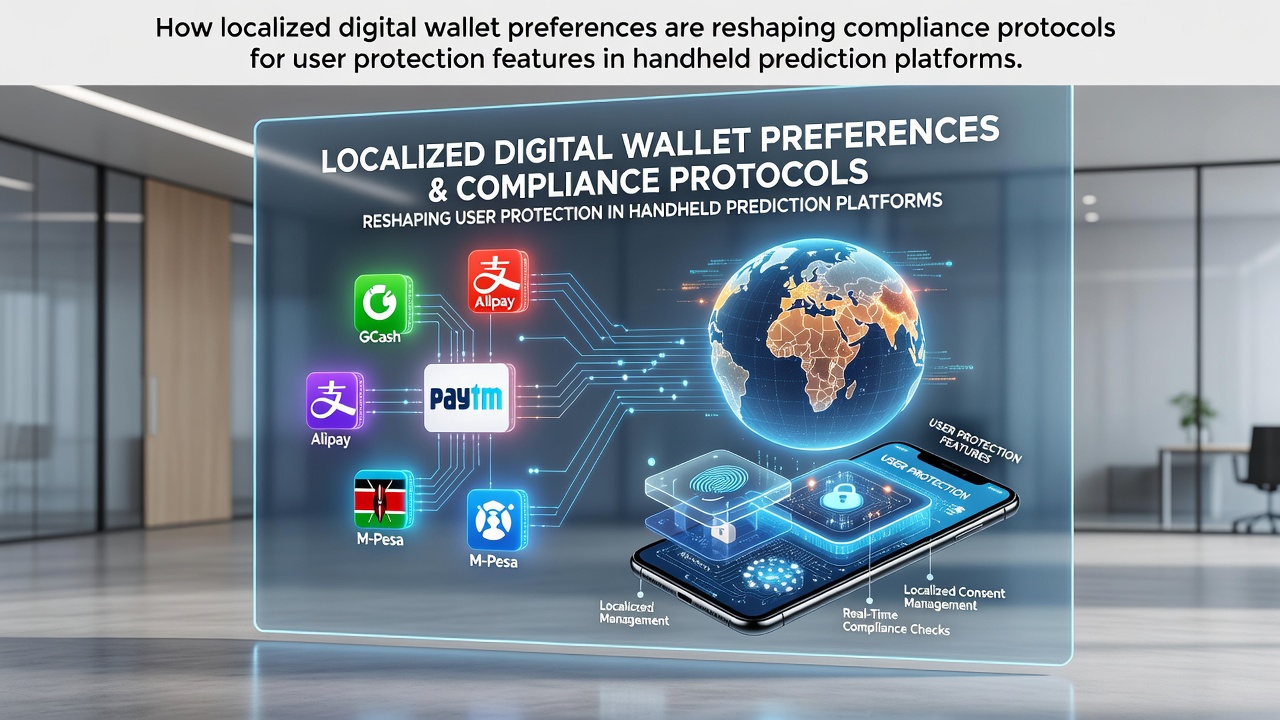
Regional E-Wallet Preferences Prompting Adjustments to Safety Protocols in Mobile Prediction Applications
Regional differences in digital wallet adoption have started to influence how operators structure compliance measures for user protection in handheld prediction platforms, and data compiled through November 2026 shows clear patterns emerging across multiple markets. Operators track which payment methods dominate in specific areas because those preferences often carry distinct regulatory expectations around transaction monitoring and fund segregation.
Payment Method Variations Across Markets
Users in Southeast Asia frequently rely on local wallet services that integrate directly with regional banking systems, whereas North American participants lean toward established international options that emphasize cross-border capabilities. Researchers at institutions such as the National University of Singapore have documented how these localized habits require platforms to adapt their verification layers accordingly. And platforms must align with the specific reporting thresholds that each wallet type triggers under local financial rules.
European markets present another layer because many users select wallets that already embed strong customer authentication standards mandated by payment service directives. This creates a situation where prediction platforms can streamline certain checks when users arrive through those channels, yet they still need to layer additional safeguards for prediction-specific activities like deposit limits and session monitoring.
Compliance Protocol Adaptations
Handheld prediction platforms now adjust their backend systems to recognize incoming wallet types at the onboarding stage, which allows them to apply tailored protection features without disrupting user flow. For instance, wallets popular in Canada often link to accounts that already undergo periodic reviews by the Financial Transactions and Reports Analysis Centre, so operators integrate those existing signals into their own risk scoring models rather than duplicating efforts.
What's interesting is how these integrations affect real-time alerts for unusual activity. When a platform detects a transaction from a wallet tied to high-velocity patterns common in certain regions, it automatically raises the frequency of balance checks and prompts for spending limit confirmations. Such adjustments help maintain consistency with broader financial conduct expectations while respecting the operational realities of each market.

Impact on User Protection Features
Protection mechanisms such as cooling-off periods and self-exclusion tools now incorporate wallet-specific data points because some services allow instant top-ups while others impose daily caps by design. Operators therefore calibrate how quickly these tools activate depending on the funding source, and studies from the University of Melbourne indicate that this targeted approach reduces instances of rapid successive deposits in tested cohorts.
Platforms also refine their notification systems to match wallet notification styles. Users who prefer wallets that send push alerts receive complementary messages from the prediction app about remaining balances or limit breaches, creating a unified experience that reinforces responsible usage without adding friction.
Regulatory Coordination Examples
Observers point to coordinated efforts in Australia where the Australian Securities and Investments Commission has examined how wallet preferences intersect with consumer credit protections, leading platforms to embed additional disclosure screens when users select certain funding methods. Similar work appears in Singapore through the Monetary Authority of Singapore guidelines that encourage predictive platforms to map wallet risk profiles during licensing reviews.
Industry groups such as the Remote Gambling Association have published frameworks that help operators standardize these mappings across borders, and the resulting templates allow smaller developers to implement region-aware compliance without building entirely separate codebases for each jurisdiction.
Future Trajectory
As handheld prediction platforms expand into additional territories, the need to maintain flexible compliance layers tied to wallet preferences will likely grow. Data from late 2026 already reveals that operators updating their systems to accommodate new regional wallets experience smoother regulatory interactions and fewer user complaints related to transaction handling. This evolution reflects a broader shift toward payment-aware safety architectures that treat wallet choice as a core input rather than an afterthought.
Conclusion
Localized digital wallet preferences continue to drive measurable changes in how compliance protocols incorporate user protection features within handheld prediction platforms. Platforms that map these preferences early and integrate corresponding safeguards demonstrate clearer alignment with diverse regulatory environments, and ongoing data collection through 2026 supports further refinement of these approaches across global markets.