Premier League Sponsorship Landscape Shifts With Unlicensed Gambling Deals
Rafael Brooks · Sep 12, 2026

Premier League Sponsorship Landscape Shifts With Unlicensed Gambling Deals
Ten of the twenty Premier League clubs now maintain sponsorship or advertising ties to gambling operators unlicensed in the UK, a rise from six clubs earlier in the summer, and this development places club revenue streams directly in the path of an anticipated government prohibition slated for next year. An eight-week consultation period on banning such sponsorships by unlicensed firms wrapped up recently, and this timing aligns with the league's own decision to bar gambling companies from front-of-shirt positions starting this season.
Consultation Process and League Actions
Government officials ran the consultation to gather input on rules that would stop unlicensed gambling entities from partnering with football clubs, while the Premier League implemented its voluntary restriction on front-of-shirt placements at the same time. Clubs have adjusted their commercial arrangements accordingly, and observers note the overlap between these two developments has created immediate pressure on existing deals. Data from the period shows the jump to ten clubs with unlicensed relationships occurred rapidly over the summer months, and this increase has drawn attention to how clubs generate income from betting firms outside UK regulatory oversight.
Revenue Exposure and Market Dynamics
Significant portions of club income now sit exposed because the proposed ban targets operators that lack UK licenses, and clubs with these arrangements face teh prospect of losing those revenue sources once the prohibition takes effect. Licensed companies such as Ladbrokes and William Hill have expressed concerns about potential income reductions, and their position contrasts with the league's approach amid expansion in Britain's unregulated betting sector. The growth in that unregulated market has allowed more clubs to form ties with operators based outside UK jurisdiction, and reports indicate this trend accelerated between the start of summer and the close of the consultation window.
Club Arrangements and Industry Response
Half the league's membership now carries these relationships, which means ten teams operate under sponsorship structures that the upcoming rules could disrupt, whereas the remaining ten clubs have so far avoided similar exposure. Licensed operators argue that the league's front-of-shirt ban already limits their visibility, and they point to the broader unregulated market as a factor that could further erode their position if the government moves forward with the prohibition. One study of recent sponsorship shifts revealed how quickly the number of affected clubs rose from six to ten, and this pattern suggests clubs sought alternative partners as traditional options faced restrictions.
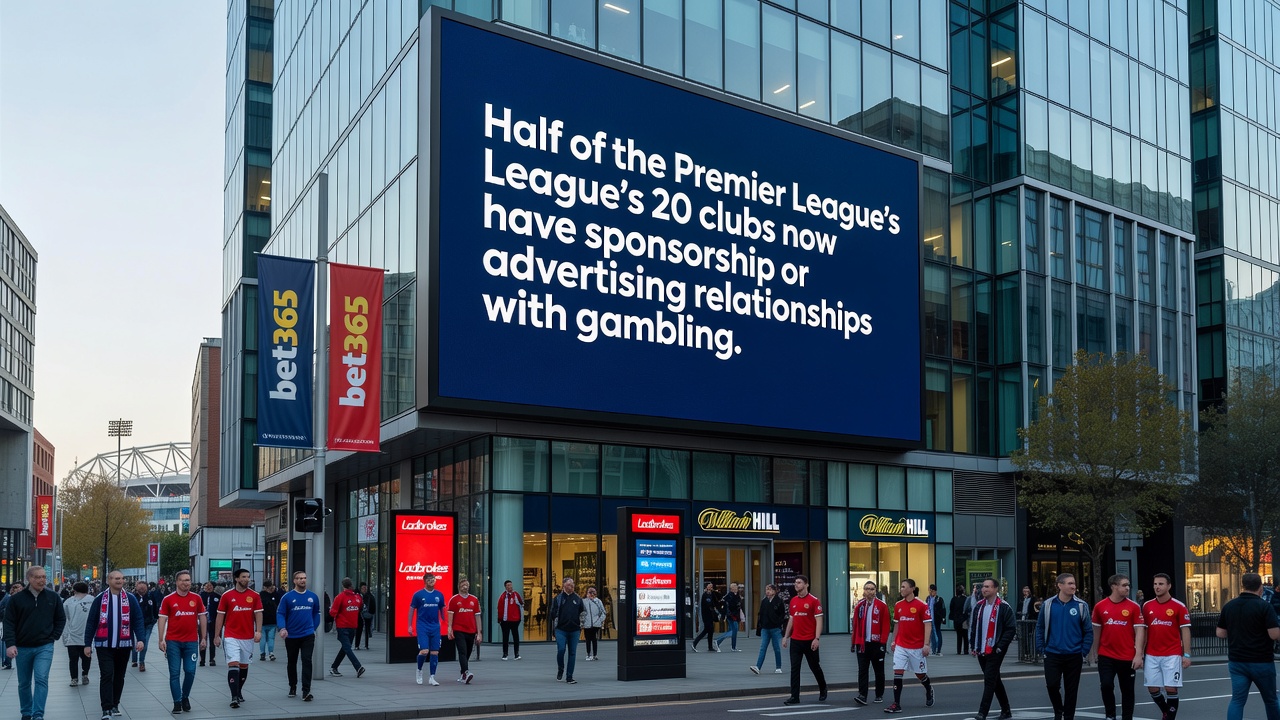
Those monitoring the situation have tracked how the consultation's conclusion coincides with the league's voluntary measures, and this combination has left licensed firms in a position where they must navigate both regulatory proposals and league policies. The unregulated market's expansion has provided clubs with options that fall outside UK licensing, yet these same options now carry the risk of future exclusion under the expected ban.
Timeline and Expected Developments
The consultation closed in September 2026 after running for eight weeks, and the government has signaled that a formal ban on unlicensed gambling sponsorships could arrive the following year. Clubs with current arrangements stand to lose access to those funds, and the league's decision to restrict front-of-shirt placements has already altered how gambling companies appear during matches. Licensed operators continue to highlight the income implications, and their statements focus on the competitive imbalance created by growth in the unregulated sector. Figures compiled during the summer period confirm the increase to ten clubs, and this count directly informs projections about revenue at stake once the ban advances.
Conclusion
The combination of the completed consultation, the league's voluntary front-of-shirt policy, and the rise in unlicensed sponsorships has placed ten Premier League clubs in a position where their commercial arrangements face regulatory change. Licensed operators such as Ladbrokes and William Hill remain engaged with the league over income concerns, and the expansion of Britain's unregulated betting market continues to influence how clubs structure their partnerships. The data shows a clear progression from six to ten clubs over recent months, and this shift sets the stage for adjustments ahead of the anticipated prohibition next year.